The Great Lakes of Champagne are full of heritage treasures to discover.
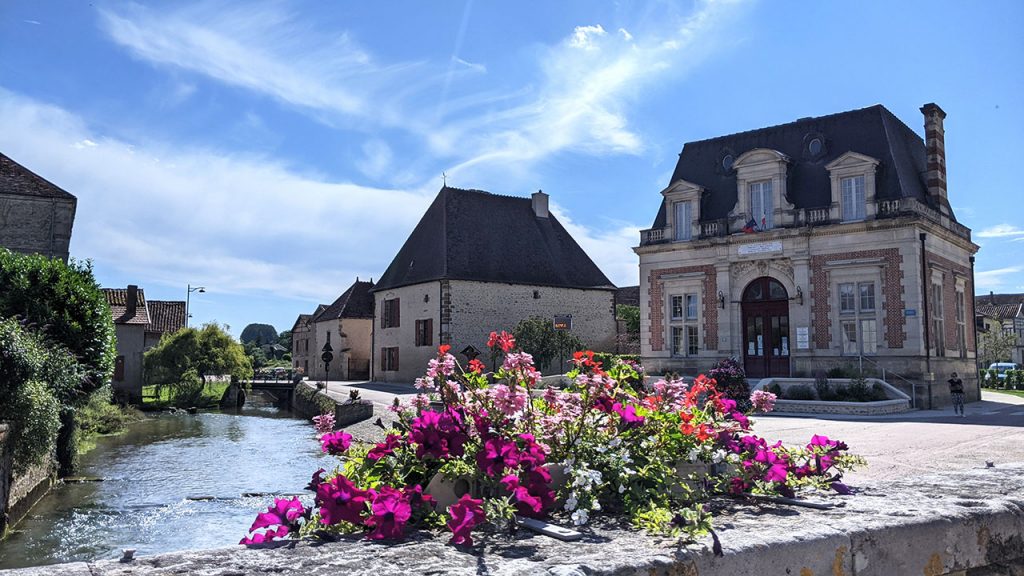
In line with this authentic territory, its heritage reflects this image, sober, simple but remarkable.
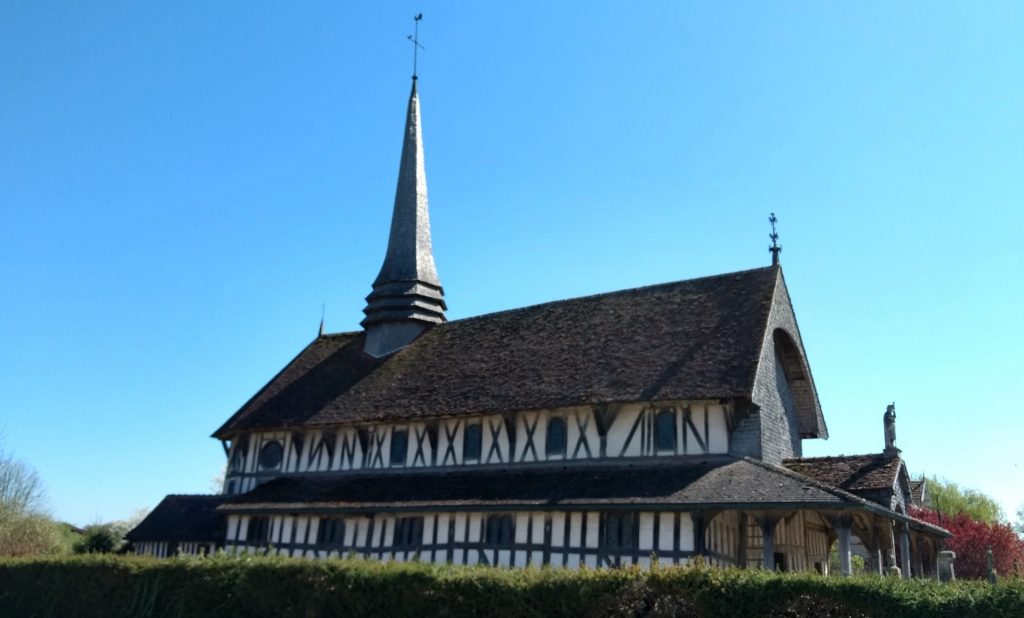
Half-timbered churches
It is a unique set in France of half-timbered religious buildings (or half-timbering), dating from the 15th to the 19th centuries, which you can admire in the direct vicinity of the lakes. Made of a wooden frame and cob, this religious heritage testifies to a local specificity and a certain talent deployed by their builders.
Take the road of the half-timbered churches and discover these exceptional churches. You can continue the excursion in Haute-Marne towards The Lac du Der to discover other equally remarkable half-timbered churches.
Churches and stained glass
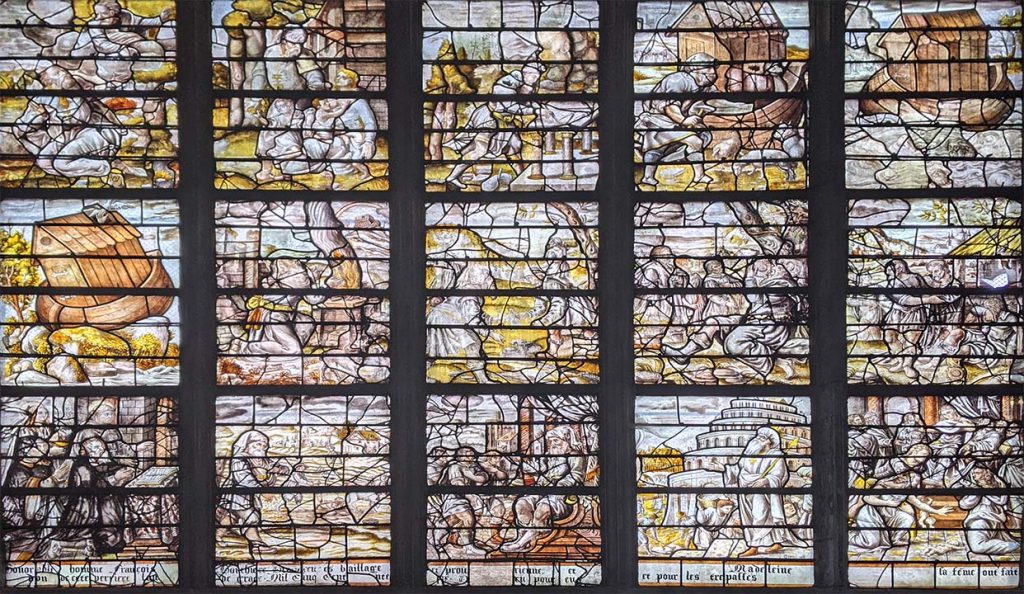
They are the landscape and historical landmark of each village and are the pride of the inhabitants. Whether they are made of stone or wood, they offer many stories and anecdotes to tell. By pushing the doors, you can admire magnificent sculptures and stained glass windows echoing the Beautiful 16th in Champagne, this period, prolix, where champagne art reaches unparalleled heights.
To discover the churches, there is nothing better than participating in a free visit led by a volunteer as part of the operation “one day, one church“, during the tourist season.
Villages to discover
Whether they tell the big story or the small stories, the villages tell themselves and it is necessarily interesting, even surprising! And to each his format to make the visit that resembles him: in autonomy for the adventurers, in guided tour for the scholars and the curious or with our audioguides for the families and discover at his own pace, having a little fun.
So what about gastronomic heritage?
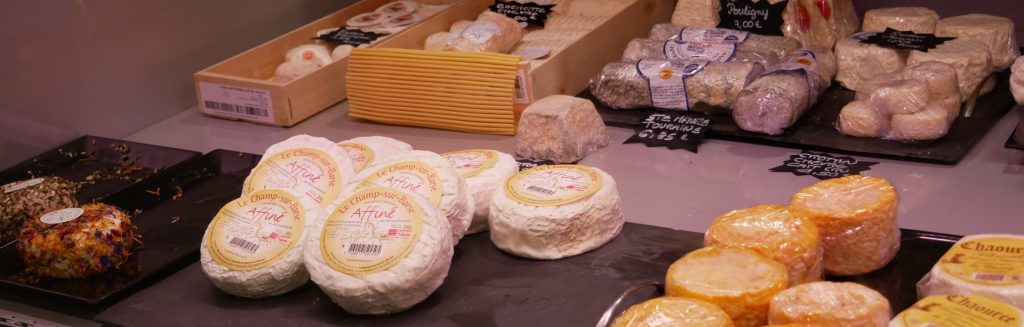
And yes, let’s not be reductive! The heritage of a territory is also found on the plate and on the culinary side, these are two major specialties that characterize the Great Lakes of Champagne: sauerkraut Briennoise and champ-sur-Barse cheese.
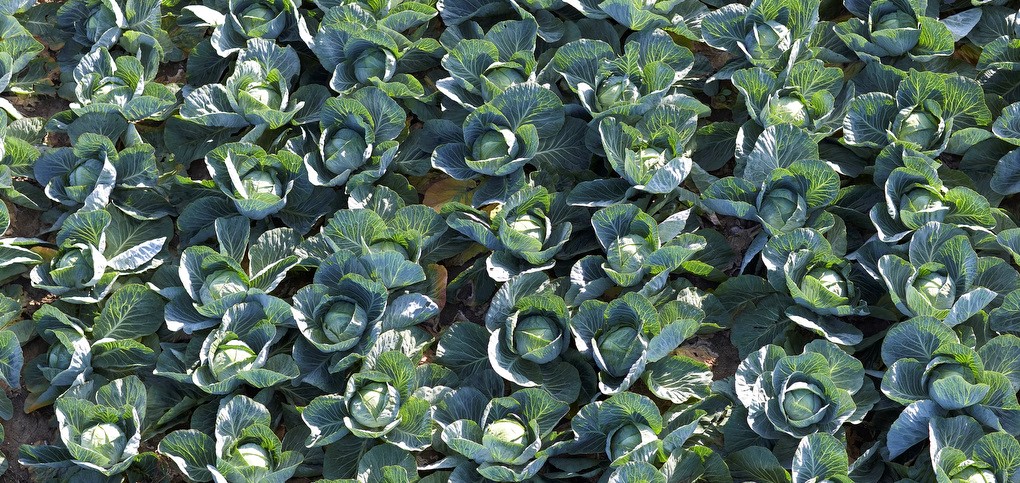
Sauerkraut is obviously associated with Alsace, but it is the production of the plains around Brienne-le-Château that makes Aube the second largest producer of sauerkraut cabbage in France. The Briennoise sauerkraut, cooked in Champagne, or in the cider of the Pays d’Othe, is celebrated in September, at the time of the harvest of the first cabbages, it is a traditional appointment not to be missed!
Cheese lovers will not be left out, and will be able to enjoy the cheese invented by the Martin family, in all its versions, fresh, matured, hot or cold, plain or garlic, pepper, pink berries or … flowers! A delight that can be enjoyed at any time and in all sauces !!